
Psychosocial Hazard Training: Build Workplace Capability in Australia
Psychosocial hazard training can raise awareness, but it can’t fix a hazardous job design. Effective training helps people recognise risks and respond appropriately. It needs

Psychosocial hazard training can raise awareness, but it can’t fix a hazardous job design. Effective training helps people recognise risks and respond appropriately. It needs

A psychosocial risk workshop can build capability, but it can’t fix unsafe work by itself. If you’re considering one for your organisation, ask not only

What if the wellbeing activity people enjoy still leaves the source of workplace stress untouched? Effective workplace wellbeing programs do more than add perks to the calendar.

Wellbeing perks won’t fix a work problem built into the way work is done. Effective psychosocial risk management starts by identifying hazards in work design,

Psychosocial risks aren’t controlled by telling people to cope better. If you’re working out how to manage psychosocial risks at work, start with the work

Workplace support shouldn’t stop when the scheduled session ends. AI coaching for staff and families can make guidance more accessible, but availability alone doesn’t make

Another workplace tool won’t earn trust just because it uses AI. An AI coaching companion for employees needs to be useful when people want to
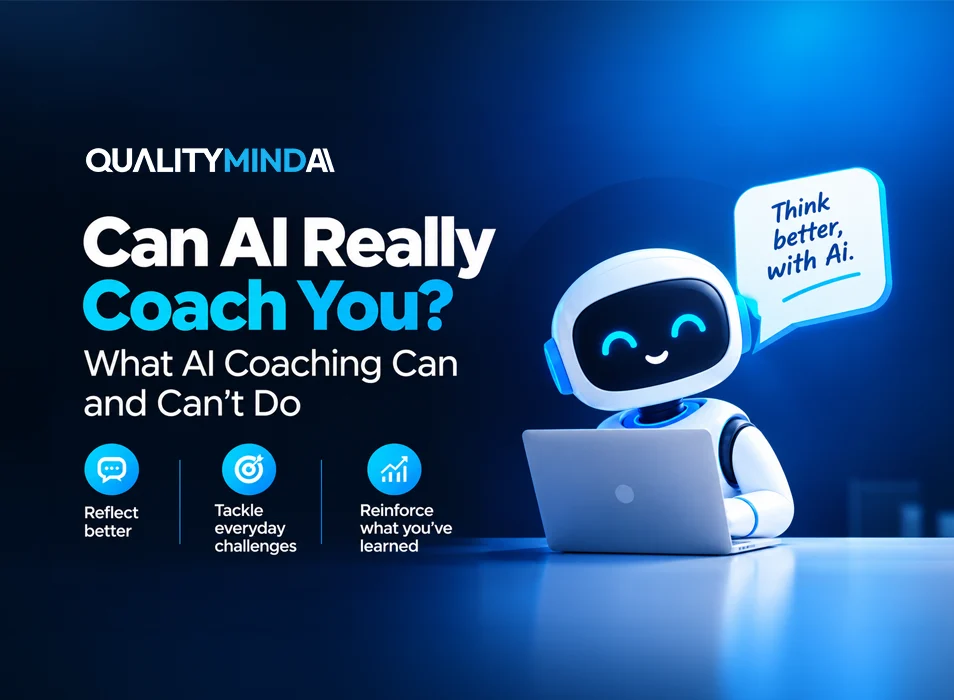
AI is now being used for everything from writing emails to analysing data. So it was probably only a matter of time before it entered the world of coaching.
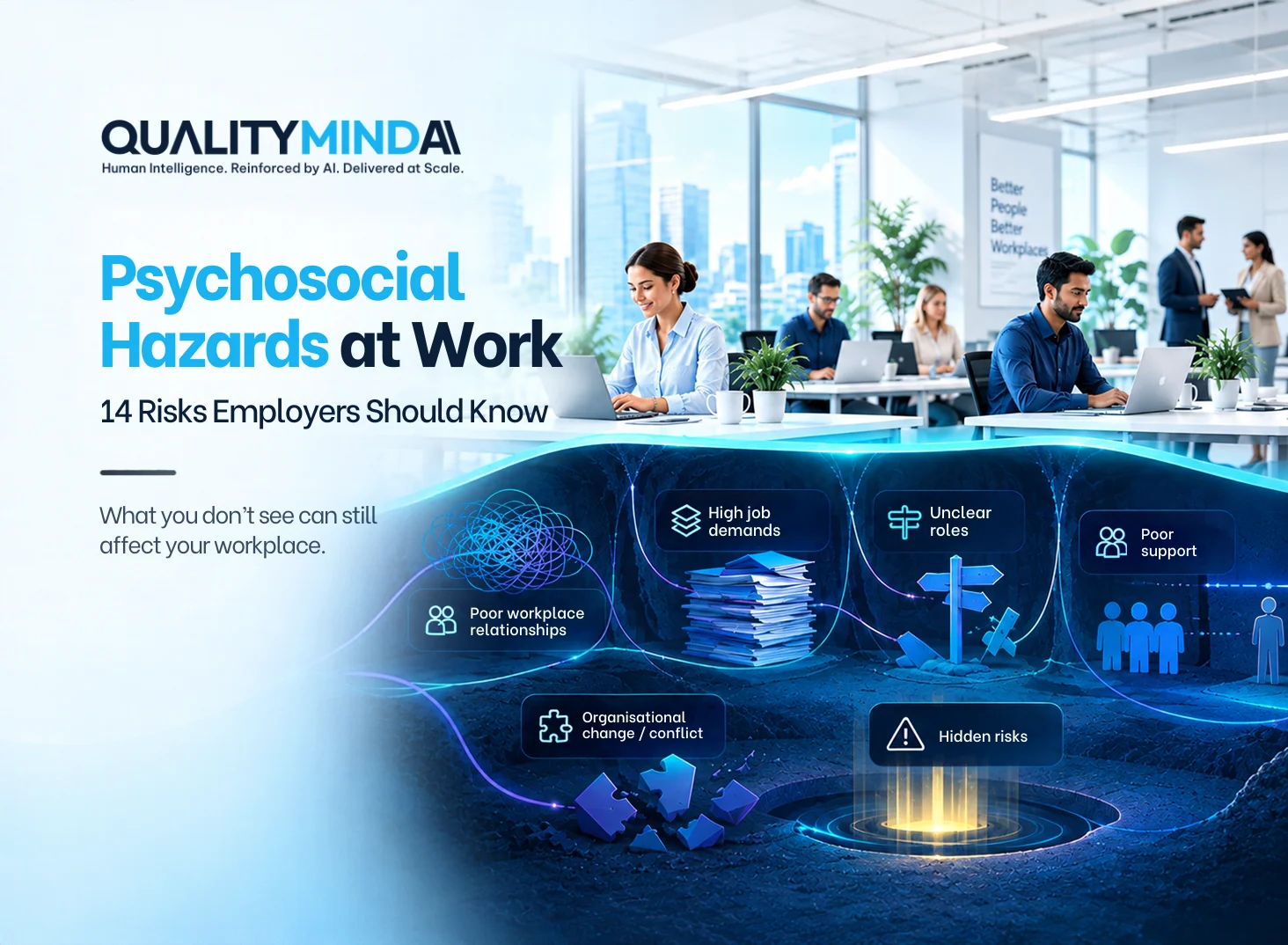
When people think about workplace safety, they often picture physical hazards: unsafe equipment, slips and falls, chemicals, machinery or physical injuries. But not every workplace risk is visible.
At a glance Quality Mind is a coaching platform designed to generate consistent, qualified leads for its coaches. Coaches receive structured business mentorship to improve client conversion, confidence, and sales outcomes.